

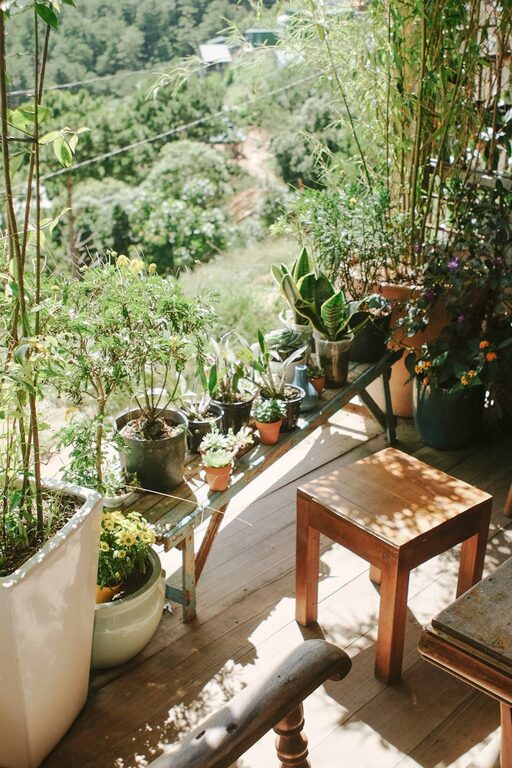
Creating a relaxing home garden space is a wonderful way to bring tranquility and comfort into your daily life. Whether you have a sprawling backyard or a small balcony, a garden designed for relaxation offers a retreat from the hustle and bustle of everyday routines. In this post, we’ll explore practical tips to help you craft your own serene garden haven.
Why a Relaxing Garden Matters
A calm and inviting garden area can improve your wellbeing by reducing stress and encouraging mindfulness. The natural environment soothes the mind, while spending time outdoors promotes physical activity and fresh air. A thoughtfully designed garden invites you to pause, breathe, and enjoy the moment.
Choosing the Right Location
Assess Your Space
Begin by considering the size and shape of your garden area. Look at aspects such as sunlight, shade, and shelter from wind. Choose a spot where you can comfortably place seating and plantings without overcrowding.
Consider Privacy
Privacy enhances relaxation. Use hedges, fences, trellises, or tall plants to create a secluded atmosphere. This will help you feel comfortable and undisturbed while enjoying the space.
Selecting Plants for Calmness
Opt for Soothing Colours
Soft greens, blues, and lavenders are known to have calming effects. Incorporate plants with these colours into your garden to create a peaceful palette.
Use Fragrant Plants
Lavender, jasmine, rosemary, and gardenia release gentle scents that can help you relax and reduce anxiety. Place these near seating areas or pathways.
Include Varied Textures
Mix leafy plants, soft grasses, and smooth foliage to add visual interest without overwhelming the senses. This balance promotes a more natural, restful environment.
Designing Comfortable Seating Areas
Choose Weather-Resistant Furniture
Select chairs and benches made from durable materials like teak, rattan, or metal with cushion covers designed for outdoor use. Comfortable seating invites you to linger longer.
Add Soft Textiles
Cushions, throws, and outdoor rugs soften the seating area and create a cosy atmosphere. Choose fabrics in neutral or calming colours to complement your garden’s palette.
Create Shaded Spots
Install umbrellas, pergolas, or shade sails to provide protection from the sun. Shaded areas will make your garden usable even on hot days.
Incorporating Water Features
Water elements add soothing sounds that enhance relaxation. Consider small fountains, ponds, or even simple birdbaths. The gentle trickle or splash of water can create a peaceful audio backdrop.
Lighting for Ambience
Soft lighting extends your garden’s usability into the evening. Fairy lights, lanterns, or solar-powered garden lamps create a warm glow. Avoid harsh or bright lights which can disturb the tranquil mood.
Adding Personal Touches
Decorative Items
Incorporate wind chimes, garden statues, or colourful pots that reflect your personality. Personal touches make the space feel inviting and special.
Paths and Walkways
Curved paths guide the eye and encourage slow strolling, promoting relaxation. Use natural materials like stone or wood chips for a rustic, calming effect.
Maintaining Your Garden
Regular Care
Keep your garden tidy but avoid over-pruning; a slightly wild look is often more natural and calming. Water plants as needed and remove weeds to maintain health and beauty.
Seasonal Changes
Plan your garden so it offers interest throughout the year with flowering in spring and summer, colourful foliage in autumn, and evergreen plants in winter.
Final Thoughts
Designing a relaxing home garden space is about creating a peaceful environment that invites you to rest and connect with nature. By carefully considering location, plant selection, seating, and mood lighting, you can make your garden a true sanctuary. Remember, simplicity and personal touches are key to a space that feels just right for you. Take your time and enjoy the process—the garden you create will surely reward you with many calm, happy moments.